
 Term life insurance
 Whole of Life insurance
 Over 50 life Insurance
 Mortgage life insurance
 Joint Life Insurance
 Family Life Insurance
Compare life insurance quotes
Cover from just £5 per month*


Watch Our TV Ad








Life insurance prices can be different from one provider to another. Surely helps you compare quotes in one place, so you do not have to check each insurer yourself.
 Compare providers
See quotes from a range of UK life insurance providers.
 Quick and simple
Start your quote online in just a few minutes.
 Cover that suits you
Choose your cover amount and how long it lasts.
 Clear information
Understand your options before you apply.
 No pressure to buy
Getting a quote does not mean you have to take out a policy.
 Regulated broker
Surely is a trading style of PJG Financial Limited.

Life insurance is a type of cover that can pay out money to your loved ones if you die during the policy term. The money is usually paid as a lump sum and can help your family stay financially secure at a difficult time.
You choose how much cover you want and how long you want the policy to last. If you die while the policy is active, your family could make a claim. If the claim is accepted, the insurer pays out the agreed amount.
 Choose your cover
Decide how much cover you need and how long you want it to last.
 Answer a few questions
Tell us about your health, lifestyle and smoking status.
 Pay monthly
You pay monthly to keep your policy active.
Compare the main types of life insurance to see which one may suit you best.
| Policy type | Best for | How payout works | Typical cost p/m | Things to consider |
|---|---|---|---|---|
 Level term Level term |
Families, fixed cover needs | Pays a fixed lump sum if you die during the policy term | From £25 per month† | Good for family protection, but the cover does not rise with inflation. |
 Decreasing term Decreasing term |
Repayment mortgage cover | Payout reduces over time, usually in line with a mortgage balance | From £10 per month† | Often cheaper, but the payout gets smaller over time. |
 Whole of life Whole of life |
Lifelong cover, estate planning | Pays out whenever you die, as long as premiums are paid | From £102 per month† | Covers you for life, but usually costs more. |
 Joint life Joint life |
Couples wanting one shared policy | Pays out once when the first person dies | From £17 per month† | Can be cheaper than two policies, but usually only pays once. |
 Over-50s Over-50s |
Older applicants wanting simple acceptance | Usually pays a fixed lump sum when you die after any waiting period | From £20 per month† | Easy to apply for, but payouts can be lower and premiums can add up. |
†Cost figures are based on quote data available through Surely’s life insurance partner panel and are provided for illustrative purposes only. They are not a guarantee of the price you will be quoted or the cost of any policy. Your actual premium will depend on your individual circumstances, including your age, health, smoker status, lifestyle, the level of cover you choose, and the policy term. All quotes are subject to eligibility, underwriting and insurer terms and conditions.
How much life insurance do you need?
Let’s give you a quick life insurance cover quote. Just pop in a few details to get started.
Based on your numbers,
you should look for a life insurance policy of at least
£210,000
Find the right insurance cover Browse the latest insurance products using our comparison tool to get the protection you need
Find me a policyThere is no single price for life insurance. The amount you pay depends on you, the cover you choose, and how the insurer views your application.
In general, life insurance can cost less when you are younger, healthier, and choosing a lower amount of cover. It may cost more if you are older, smoke, have health conditions, or want a larger payout.

The best way to find out the cost is to compare personalised quotes

Life insurance usually costs more as you get older.
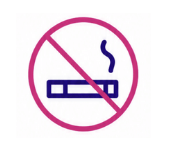
Life insurance usually costs more if you smoke or use nicotine products.

Medical conditions, weight, family history and past health issues can affect the price.

A larger payout usually means a higher monthly cost.

A longer policy term can increase the price.

Some jobs may be seen as higher risk than others.

Lifestyle factors such as smoking, alcohol use, dangerous hobbies…
Life insurance prices are different for everyone. Your monthly premium can depend on your age, health, smoker status, lifestyle, cover amount, policy term and the insurer you choose.
| Cover amount | Policy term | Critical illness cover | Example monthly premium | Example annual premium |
|---|---|---|---|---|
 Up to £100,000 Up to £100,000 |
10 Years |
Not included | £15.65 | £187.80 |
| Up to £175,000 |
10 Years |
Not included | £17.94 | £215.28 |
Assumptions
These examples are based on life insurance quote data available through Surely’s partner panel. They are for life insurance policies with a 10-year term and no critical illness cover.
Important information
These prices are examples only. They do not guarantee the price you will pay. Your own quote may be higher or lower depending on your age, health, smoker status, lifestyle, cover amount, policy term and the insurer you choose.
Yes, you may still be able to get life insurance if you have a pre-existing medical condition. A health condition does not automatically mean you will be declined.
At Surely, we help people with medical conditions compare life insurance options from a range of providers. Different insurers assess medical conditions in different ways, so it is worth checking your options before assuming cover is not available.
What insurers may look at
The price and availability of cover can depend on:

You may still have options
Different insurers assess risk in different ways. That means cover could still be available, and Surely can help you compare your options.
 Your condition
Some conditions are easier to cover than others.
 How severe it is
Mild or well-managed conditions may be viewed more favourably.
 Treatment and medication
Insurers may ask about medication, treatment, surgery or recent symptoms.
 When you were diagnosed
A recent diagnosis may be treated differently from a stable long-term condition.
 Your age and health
Your age, weight, lifestyle and general health can affect your quote.
 The insurer’s rules
Each insurer has its own underwriting process.
Answering application questions honestly and keeping up with monthly payments can reduce the chance of problems if your loved ones ever need to make a claim.
Before you buy life insurance, it helps to understand a few simple things. This can make it easier to choose the right policy and avoid problems later.
Our Promise
Surely helps you compare life insurance with confidence.
 Answer questions honestly
Give accurate details about your health, lifestyle and medical history.
 Check what is covered
Some policies have exclusions, so always check when the policy would and would not pay out.
 Keep up with payments
If you miss payments, your policy could stop and your loved ones may no longer be covered.
 Know your cooling-off period
Most policies give you time to cancel after buying.
 Check terminal illness cover
Some policies may pay out early if you are diagnosed with a terminal illness.
 Think about writing the policy in trust
This may help the payout reach your chosen beneficiaries more quickly.
 Review your cover over time
Your needs may change if you buy a home, have children or take on new debts.
Surely can help you compare life insurance options, but you should always read the policy details carefully before you buy.
If you would prefer to speak to someone, our qualified protection advisors can help you compare life insurance options and answer your questions.

 Qualified protection advisors
 FCA-regulated broker
 Compare a range of providers

Terrific experience securing life insurance, illness cover and income protection for my wife and I. Definitely made things simple and answered all my questions clearly making things really clear and easy to understand. Left me with peace of mind. Read review on Trust Pilot.
Fred LBrighton
You may need life insurance if someone depends on you financially. This could be a partner, children, or anyone who would struggle to pay the mortgage, bills, debts or everyday costs if you were no longer around.
Life insurance is often worth considering if you have children, a shared mortgage, a partner who relies on your income, or debts that could affect someone else. It can provide a lump sum to help your loved ones stay financially secure after your death.
You may not need life insurance if nobody depends on your income, you have no major debts, or you already have enough savings or employer cover to protect your family. Life insurance is not a legal requirement for a mortgage in the UK, although some lenders may ask for it as part of their own conditions.
Good to know: Surely can help you compare life insurance options based on your needs, budget and personal circumstances. The right amount of cover depends on what you want the payout to help with, not just the cheapest monthly price.
The right amount of life cover depends on what you want the payout to help with. There is no single correct number, because every family’s finances are different.
A simple way to work it out is to add up the main costs your loved ones may need help with, then subtract any savings or existing cover you already have. MoneyHelper says the amount of cover you need can depend on your debts, mortgage or rent, number of dependants and income.
You may want to include:
The Surely life insurance calculator can help you determine the amount of cover you might need based on your circumstances.
Good to know: choosing too little cover could leave your family short, but choosing too much could mean paying more than you need. Surely can help you compare life insurance options based on the amount of cover that suits your needs and budget.
Yes, you can usually cancel a life insurance policy, but changing it depends on your insurer and the type of policy you have.
Most life insurance policies come with a 30-day cooling-off period. If you cancel during this time, you should usually get back any premiums you have paid, although the insurer may deduct a small amount for the days you were covered.
After the cooling-off period, you can still usually cancel, but you may not get back the premiums you have already paid. MoneyHelper says there are usually no cancellation fees for life insurance, but you should always check your policy terms first.
You may also be able to change parts of your policy, such as your cover amount, policy term or beneficiaries, but this depends on the insurer. Some changes may require new health questions or a new application.
Good to know: if you are replacing an existing policy, do not cancel it until your new cover is in place. This can help avoid a gap where your loved ones are not protected. Aviva gives the same guidance when switching life insurance policies.
The main types of life insurance are term life insurance, decreasing life insurance, whole of life insurance, joint life insurance and over-50s life insurance.
Term life insurance covers you for a set number of years and can pay out if you die during that time.
Decreasing life insurance is often used to help protect a repayment mortgage, because the payout usually reduces over time.
Whole of life insurance can cover you for the rest of your life, as long as the policy stays active and premiums are paid.
You can also choose joint life insurance, which covers two people under one policy and usually pays out once, or over-50s life insurance, which is designed for people aged 50 and over.
Good to know: the right type of life insurance depends on what you want to protect, such as your mortgage, your income, your children, or your partner’s financial security. Surely can help you compare options from a wide range of providers.
Life insurance usually pays out if you die while your policy is active and a valid claim is made. The money is usually paid as a lump sum to your loved ones or chosen beneficiaries.
A claim may depend on the type of policy you have, whether your monthly payments were up to date, and whether the information given when you applied was accurate. Some policies may also include critical illness cover, which could pay out early if you are diagnosed with a terminal illness that meets the policy terms.
Most life insurance claims are paid. ABI figures show that UK insurers paid 96.5% of new life insurance claims in 2024, with an average payout of £79,703.
Good to know: life insurance may not pay out if the policy has ended, payments were missed, exclusions apply, or important information was missing or incorrect when you applied. Surely helps you compare policies, but you should always read the policy terms before buying.
The right amount of life insurance cover depends on what you want the payout to help with. For some people, that means covering a mortgage. For others, it means helping with household bills, childcare, debts, funeral costs or replacing income for a number of years.
A simple way to estimate your cover is:
Mortgage + debts + family living costs + childcare/education + funeral costs – savings or existing cover = possible cover amount
MoneyHelper says the amount of life cover you may need can depend on things like your mortgage or rent, debts, number of dependants and income. It also suggests thinking about whether you already have savings or workplace benefits that could support your family. Use the Surely calculator.
Good to know: choosing too little cover could leave your family short, but choosing too much could mean paying more each month than you need to. Surely can help you compare life insurance options based on your cover amount, policy term and personal circumstances.
Most valid life insurance claims are paid. According to the Association of British Insurers, UK insurers paid 96.5% of new life insurance claims in 2024, with an average payout of £79,703.
A claim can still be rejected if the insurer believes the policy terms have not been met. This may happen if:
Surely’s view: a rejected claim does not always mean the matter is finished. Your loved ones should ask the insurer for a clear explanation, check the policy documents, and provide any missing information if something has been misunderstood.
If they still disagree, they can make a formal complaint to the insurer. If the complaint is not resolved, they may be able to escalate it to the Financial Ombudsman Service.
The best way to reduce the risk of claim problems is to answer all application questions honestly, keep payments up to date, and read the policy terms before buying.

Life insurance is an agreement between you and an insurer, designed to provide financial support to your loved ones if
Read More
Life insurance is a type of financial protection designed to support your loved ones if you pass away. It could
Read More
Family life insurance is designed to help protect your loved ones financially if you pass away. It could provide a
Read MoreMost valid life insurance claims in the UK are paid. According to the Association of British Insurers, UK insurers paid 96.5% of new life insurance claims in 2024, with an average payout of £79,703. The ABI also reported that protection insurers paid a record £8 billion across individual and group protection claims in 2024.
 96.5%
96.5%
of new life insurance claims paid
 £79,703
average payout
 £8 billion
paid across protection claims in 2024
Life insurance is designed to give your loved ones financial support when they need it most. Claim problems are less likely when you answer application questions honestly, keep your payments up to date, and choose cover that matches your needs.