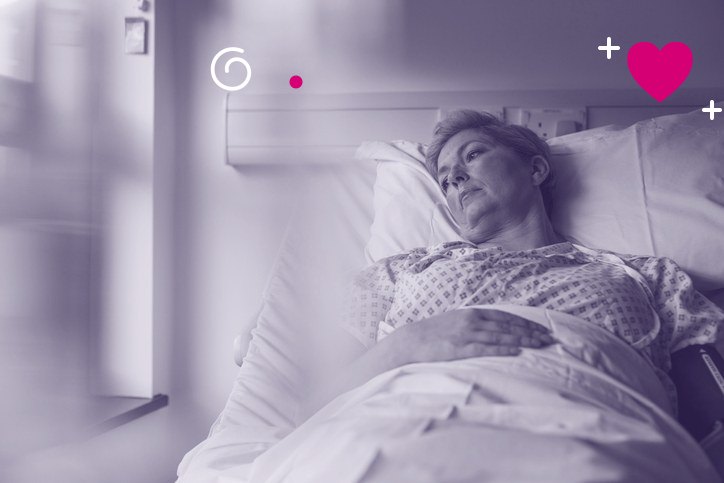
Critical Illness Cover
Compare critical illness cover from selected UK insurers. You could receive a tax free lump sum if you are diagnosed with a covered serious illness, subject to the policy definitions and terms.
Get my quoteSurely helps you compare insurance and does not give medical advice. Any payout depends on the policy’s covered conditions, definitions, eligibility and claim approval.
What Critical Illness Cover Is
Critical illness cover pays a tax free lump sum if you are diagnosed with one of the serious illnesses listed in your policy, such as certain cancers, a heart attack or a stroke, as long as your diagnosis meets the policy definition. You can spend the money however you need, whether that is clearing the mortgage, covering treatment costs or replacing lost income while you recover.
It is designed for the financial shock of a serious illness you survive, which is different from life insurance. Many people hold it alongside life cover, either as a combined policy or a separate one.
How It Works
Setting up a policy follows a clear path.
- You choose your cover amount and term. The cover amount is the lump sum that would be paid, and the term is how many years you want to be covered for.
- You choose standalone or combined cover. Critical illness can be bought on its own or combined with life insurance, where the policy pays out on the first of a covered illness or death.
- You answer health and lifestyle questions. This is the underwriting stage. Answering fully and honestly is the most important thing you can do, since non disclosure is a leading reason a claim is declined.
- You pay a monthly premium. This keeps the policy active, whether you claim or not.
- If you are diagnosed with a covered condition, you claim. The condition must meet the policy definition, and you normally need to survive a short survival period, usually 10 to 14 days.
- The insurer pays a tax free lump sum. Once a full claim is paid the policy ends, so you would no longer have critical illness cover.
Who May Need It
Critical illness cover tends to suit people who would face real financial strain if a serious illness stopped them working for a time, particularly those with a mortgage, dependants or limited savings to fall back on. It is also worth considering for self employed people, who usually have no employer sick pay.
Cancer, heart attacks and strokes account for the large majority of claims, as the breakdown below shows.
Surely analysis of ABI and UK insurer critical illness claims data, 2024. Cancer share is the ABI figure; the remaining splits are approximate.1
It may be less relevant if you already have enough savings to cover a long period without income, or if your main concern is replacing income over the long term rather than receiving a single lump sum, in which case income protection may fit better. For impartial guidance you can also use MoneyHelper, the government backed service, or Cancer Research UK for information on cancer, the most common reason for a claim.
What It Usually Covers
Every comprehensive policy covers the core conditions of certain cancers, heart attacks and strokes, which together make up around 80% of claims. Beyond that, cover ranges widely, from around 40 conditions on simpler plans to well over 100 on the most comprehensive. Many policies also offer optional children’s cover, and some pay a smaller partial amount for less severe or early stage conditions.
The support is substantial. In 2024, UK insurers paid £1.3 billion in critical illness claims, with an average payout of £67,600 (ABI).1 The full figures are set out further down this page.
What It May Not Cover
Critical illness cover is specific, and the detail of the definitions matters.
- Conditions not listed. Only the illnesses named in your policy are covered. If a condition is not on the list, there is no payout.
- Conditions that do not meet the definition. Each illness has a medical definition that must be met. Less severe or early stage cases, and some skin cancers, may pay a partial amount or nothing at all.
- Existing conditions. Health problems you already have when you apply are usually excluded.
- Non disclosure. If you do not give accurate health information when you apply, a claim can be declined. Across protection, non disclosure and not meeting policy definitions are the most common reasons claims are refused.1
- Death within the survival period. You normally need to survive a set period after diagnosis, usually 10 to 14 days, for the claim to be valid.
- Cover after a claim. Once a full lump sum is paid, the policy ends and there is no further cover.
How Much Cover You May Need
A sensible starting point is enough to clear your mortgage and any other debts, plus an amount to cover time off work and the extra costs that come with serious illness, such as treatment, travel or adapting your home. The right figure depends on your own commitments and how long you could manage on savings or sick pay.
Match the term to the years that matter most, such as until the mortgage is repaid or the children are independent. Many people set the critical illness amount alongside their life cover so both protect the same commitments.
Cost Factors
Critical illness cover usually costs more than life insurance for the same amount, because a claim is more likely. The main factors are your age, which is the biggest, whether you smoke, your health and family history, the cover amount and term, the number of conditions covered, and whether it is combined with life cover.
To show the typical range, Surely has compiled indicative figures from published UK pricing. These are illustrative, not Surely quotes.
| Indicative cost guide | Monthly premium |
|---|---|
| Non smoker aged 30, £100,000 over 25 years | About £20 to £35 |
| Non smoker aged 40, £100,000 over 25 years | About £35 to £55 |
| Combined life and critical illness | More than critical illness alone |
| Smoker, on the same cover | Roughly double a non smoker |
| Average standalone policy | Around £25 to £30 |
Surely analysis of published UK critical illness pricing, 2024 to 2026. Figures are illustrative and not quotes.3
Two things are worth remembering. Premiums rise steeply with age, so buying younger locks in a lower price, and smokers typically pay around double what a non smoker pays for the same cover.3
How It Compares
Critical illness cover is often weighed against life insurance and income protection. This table from Surely shows how they differ.
| Feature | Critical illness cover | Life insurance | Income protection |
|---|---|---|---|
| Pays out when | You are diagnosed with a covered serious illness | You die during the term | Illness or injury stops you working |
| What it pays | One tax free lump sum | One tax free lump sum | A regular monthly income |
| Typical monthly cost | Around £25 to £30 | Around £25 for level term | Around £18 to £40+ |
| Best for | A cushion if you survive a serious illness | Protecting family and mortgage on death | Replacing income while unable to work |
Typical cost figures are Surely analysis of UK protection pricing.3 Tax treatment depends on your circumstances and may change.
Some people hold more than one of these, because they protect against different events.
Worked Example
This is a simple illustration of how a policy might work. It is not a quote or a promise of cover.
Meet Daniel. He is 38, has a mortgage and two children, and takes out £100,000 of critical illness cover over 25 years, costing about £30 a month.
Three years later he is diagnosed with a cancer that meets his policy definition. He survives the short survival period, his claim is assessed and paid, and he receives £100,000 tax free. He uses it to take time off work for treatment without worrying about the mortgage. Because a full claim has been paid, the policy then ends. Had he never claimed, the cover would simply have run to the end of its term.
Why Use Surely
Critical illness cover is one of the more detailed protection products, with definitions and condition lists that are easy to misread. Surely exists to make it clear.
We explain everything in plain English, with no jargon and no buried small print. We compile and cross check real UK claims and pricing data so you can see the full picture. We are honest about the limits, including the conditions and definitions a policy will not pay on. And we help you compare clearly so you can decide what fits.
The reassurance is in the numbers. In 2024, more than 89% of critical illness claims were paid, and insurers paid out £1.3 billion to policyholders.1 Surely helps you compare cover from selected UK insurers so you can find a policy that fits your needs and budget.
Critical illness cover is a regulated product, and the insurers and advisers you deal with are authorised and regulated by the Financial Conduct Authority. Surely helps you compare clearly but does not give regulated financial advice.
Frequently Asked Questions
Is critical illness cover worth it?
It can be, particularly if a serious illness would leave you unable to meet your mortgage or bills. It is most valuable for people with dependants or debts and limited savings. If you already have a large financial cushion, the case is weaker.
What is the difference between critical illness and life insurance?
Life insurance pays out when you die. Critical illness cover pays out while you are alive, if you are diagnosed with a covered serious illness. Many people hold both, sometimes as a single combined policy.
How many conditions are covered?
It varies widely, from around 40 conditions on simpler plans to well over 100 on the most comprehensive. All comprehensive policies cover the core conditions of certain cancers, heart attacks and strokes. It is worth comparing condition lists, not just price.
Will it pay out for any cancer?
Not always. The cancer must meet the policy definition, and some early stage or less severe cancers, including certain skin cancers, may pay a smaller partial amount or nothing. Always check the cancer definition before you buy.
Should I combine it with life insurance?
Combining the two can be simpler and cheaper than two separate policies, but a combined policy usually pays out only once, on the first claim. Two separate policies can pay out separately. It is worth comparing both approaches.
Is the payout taxed?
The lump sum is normally paid tax free. Tax treatment depends on your circumstances and can change, so it is worth checking your own position.
What is the survival period?
It is a short period you normally need to survive after diagnosis, usually 10 to 14 days, before a claim can be paid. It varies by insurer and is set out in the policy.
Will it cover conditions I already have?
Existing conditions are usually excluded. You should still disclose them honestly when you apply, because non disclosure is one of the main reasons a claim is declined.
This guide deals with serious illness. If you have a health concern, your GP or NHS 111 can help, and for impartial money guidance you can use MoneyHelper.
How Often Claims Are Paid
Claims paid rates are a useful trust signal, because insurers publish them every year. Critical illness claims are paid in the large majority of cases. In 2024, more than 89% of critical illness claims were paid across the market, and almost all insurers paid out on over 90% of claims (ABI).1
As a published example, Scottish Widows reported paying 91.8% of its critical illness claims in 2024.2 Each insurer reports its own annual figure, and the most common reasons a claim is declined are non disclosure and not meeting policy definitions. It is worth checking an insurer’s latest published rate when you compare.
Critical Illness Cover In Numbers
For transparency, here is Surely’s summary of the latest market data.
| Critical illness cover in 2024 | Figure |
|---|---|
| Total claims paid | £1.3 billion, up 5% |
| Average payout | £67,600 |
| Cancer share of claims | 62%, about £812 million |
| Proportion of claims paid | More than 89% |
Surely analysis of ABI and Group Risk Development protection data 2024.1
Deciding If It Is Right For You
Critical illness cover protects you against the financial shock of a serious illness you survive. It works best when the cover amount matches your mortgage and commitments, when the term lasts as long as your family needs, and when you compare condition lists and definitions rather than price alone. Take your time, compare a few options, and consider how it sits alongside any life cover or income protection you have.
Cover, price and eligibility depend on your personal circumstances, age, health, smoker status and insurer terms, including the policy’s covered conditions and definitions. Surely helps you compare insurance and does not provide regulated financial advice.
Sources
- Association of British Insurers and Group Risk Development, protection claims data 2024, published July 2025.
- Scottish Widows, 2024 protection claims report: 91.8% of critical illness claims paid.
- Surely analysis of published UK critical illness pricing, 2024 to 2026. Figures are illustrative.
- MoneyHelper, impartial guidance on critical illness cover.
- Cancer Research UK, information on cancer.